
Graphics Card
Graphics Card and video devices are essential components of a computer system that handle the display and rendering of graphics and videos. They are responsible for generating the images and videos that you see on your monitor or display device.
Graphics Card (Video Card):
A video card, also known as a graphics card or GPU (Graphics Processing Unit), is a dedicated hardware component that is responsible for rendering and displaying graphics and videos on a computer monitor or other display devices. Key features of a video card include:
GPU: The GPU is the core processing unit on the video card. It is designed specifically for rendering 2D and 3D graphics, performing complex calculations for games, simulations, and other graphics-intensive tasks.
Video Memory (VRAM): Video cards have their own dedicated memory, known as VRAM. VRAM stores textures, frame buffers, and other data necessary for rendering images and videos quickly and efficiently.
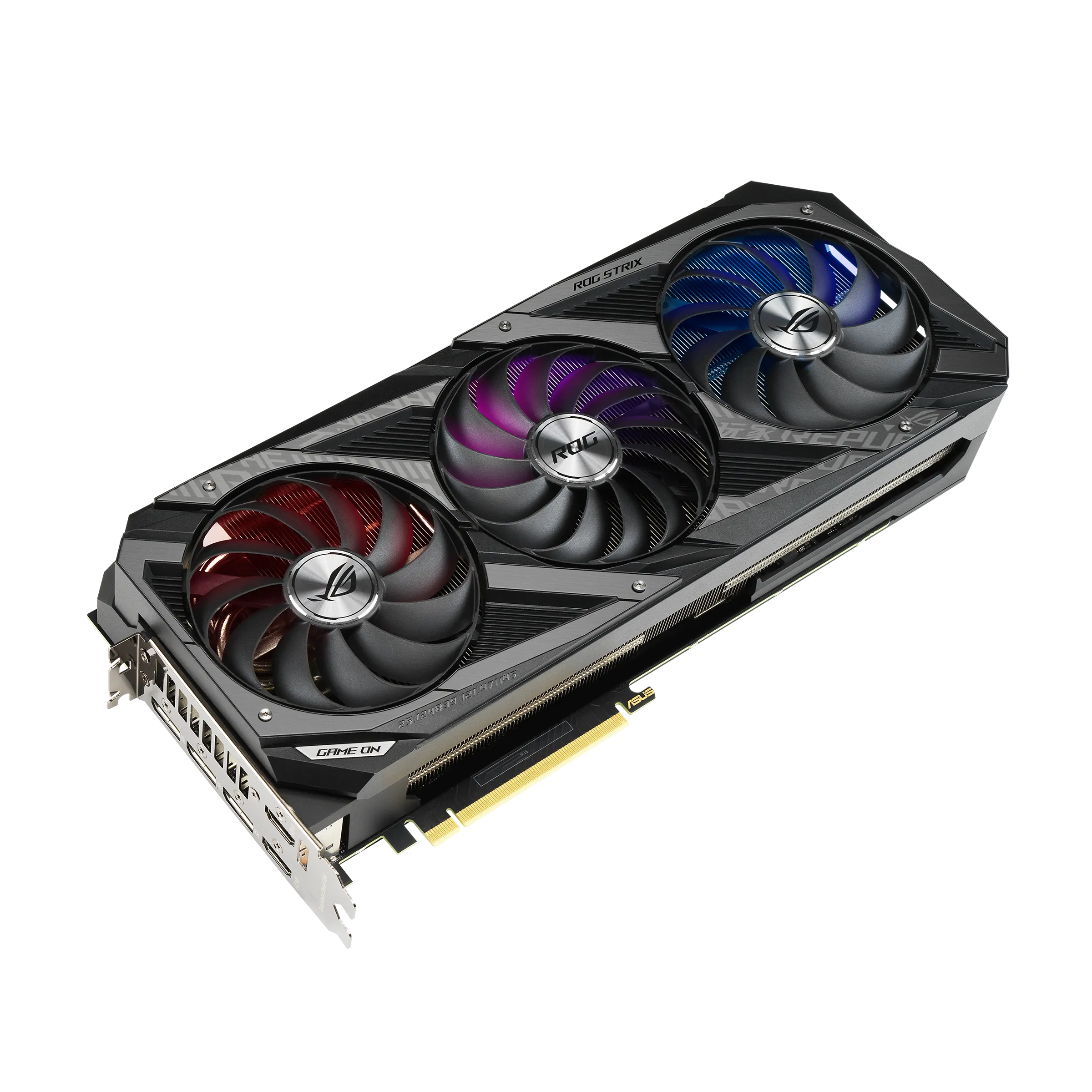
Connectors: Video cards have video output connectors, such as HDMI, DisplayPort, DVI, and VGA, that allow you to connect your computer to monitors, TVs, and other display devices.
Performance: Video cards come in a wide range of performance levels, from entry-level cards suitable for basic tasks to high-end gaming and professional cards capable of handling demanding graphics and video workloads.
Drivers: To function properly, video cards require device drivers, which are software programs that facilitate communication between the GPU and the computer's operating system.
Integrated Graphics:
Many computers, especially laptops and budget desktops, come with integrated graphics, which means the GPU is integrated into the computer's central processing unit (CPU). Integrated graphics are less powerful than dedicated video cards but are suitable for everyday tasks like web browsing and office applications.

